
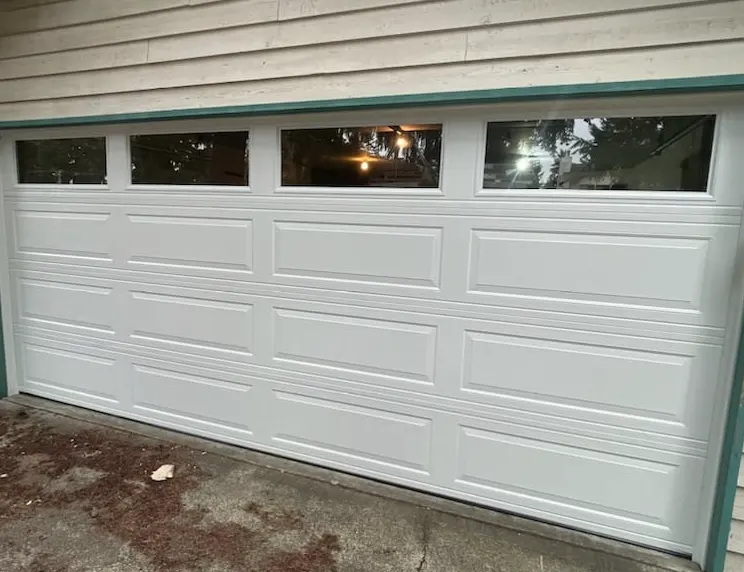
Here's the mistake almost everyone makes first: they start picking out flooring, paint colors, and a mini-split AC unit, and they treat the garage door like it's already handled. It's tempting because the door is just... there. It closes, it looks fine from the outside, and nobody wants to think about springs and rollers when they're excited about a new home gym. But the door doesn't stop being a garage door just because the room behind it changed jobs. It's still the biggest moving part on your house, and converting the space around it changes how it behaves.
The Door Doesn't Retire Just Because the Room Did
Once a garage becomes a gym, office, or workshop, the door usually gets used a lot less. People assume less use means less wear. In practice, it just trades one kind of wear for another.
Condensation and Swelling
When you run an AC unit or mini-split in a converted garage, you're putting a cold surface right behind a door that's sitting in Okeechobee's heat and humidity most of the year. That temperature difference causes condensation on the inside of the door panels. On steel doors, that means rust starting on hinges, hardware, and the bottom of panels. On wood or wood-composite doors, it means swelling, which can make the door bind in the tracks or stop sealing properly at the bottom.
Hardware That Sits Still Doesn't Age Gracefully
Springs, rollers, and cables are built to cycle. A door that opens once a week instead of several times a day doesn't wear out from use — it wears out from sitting. Lubricant dries out, rollers develop flat spots, and nobody notices until the door is needed and it groans, jerks, or won't move at all.
Wind Load Still Matters
If the structure is still technically a garage opening on the outside of your house, it's still subject to the wind-load expectations that apply to garage doors in hurricane-prone parts of Florida — regardless of what's happening on the inside. Swapping in cheap foam panels for insulation, or loosening up the track to make the door easier to leave shut, can undercut that rating. If you're not sure whether your converted space still counts as an exterior opening for code purposes, that's a conversation for your local building department before you touch the door itself.
Operable or Permanently Sealed? The Real Trade-off
This is usually where the spousal disagreement actually lives: do you keep the door functional, or do you frame it over and forget it exists?
- Keep it operable: You preserve resale flexibility — a future buyer can turn the room back into a garage. You also keep a large, code-rated opening for moving in gym equipment, lumber, or furniture. The trade-off is ongoing maintenance: the door still needs lubrication, seal checks, and occasional part replacement even if it's rarely used.
- Seal it permanently: You get a tighter, more energy-efficient room with fewer gaps for humidity and bugs. The trade-off is that you lose flexibility, and depending on how it's framed, you may be changing the classification of that wall for insurance or resale purposes — something worth confirming locally before committing.
Most homeowners land in the middle: keep the door operable, but treat it like a feature of the room rather than an afterthought — insulated, sealed, and serviced.
A Pre-Conversion Checklist for the Door
- Have the springs, cables, and rollers inspected before you finish the room — it's easier to replace worn parts now than after there's drywall and a treadmill in the way.
- Upgrade or replace weatherstripping around the door. Afternoon downpours and humidity will find any gap, and a converted room with new flooring doesn't handle water intrusion well.
- Check or upgrade the insulation on the door panels themselves, not just the walls, if you're running AC — an uninsulated door undoes a lot of what the mini-split is doing.
- Keep the opener on a maintenance schedule even if it's rarely used. A battery backup is worth it if the room doubles as a storm shelter or safe space during outages.
- Lubricate hardware on a set schedule rather than waiting for use to remind you — infrequent cycling hides problems until they're bigger ones.
When to Call Okeechobee Garage Door Experts
If you're planning a conversion, or you already finished one and the door feels stiff, noisy, or won't seal flush anymore, that's worth a look before it becomes a bigger repair. We offer Garage Door Maintenance & Tune-Up service to catch dried-out rollers, loosening hardware, and seal issues before they turn into a stuck or off-track door. If springs or cables have already seized up from sitting unused, our Cable & Roller Replacement service gets the door moving smoothly again without replacing the whole unit.
Settle the argument, keep the door, and keep it maintained — it's the cheaper outcome either way. If you're converting a garage anywhere in Okeechobee, Buckhead Ridge, Basinger, Fort Drum, Indiantown, Moore Haven, Pahokee, or Clewiston, give Okeechobee Garage Door Experts a call and we'll make sure the door is ready for its new, quieter life.